

Welcome to our ultimate guide to hair and hair treatments for both men and women!
Welcome to our complete guide to hair and treatments for men & women! Your hair is an integral part of your overall look, and it’s important to keep it healthy and strong. But with the many varieties of hair and various issues that can arise, it’s easy to feel overwhelmed when thinking about how to take care of your mane.
Fortunately, this there are plenty of effective hair treatments out there to help you achieve the luscious tresses you desire.
In today’s blog, we’re going to go over everything including some beginner hair care tips all the way up to advanced treatments such as PRP therapy and microdermabrasion.
So pull up a seat, kick back and prepare for an in-depth look at everything hair related!
About Hair
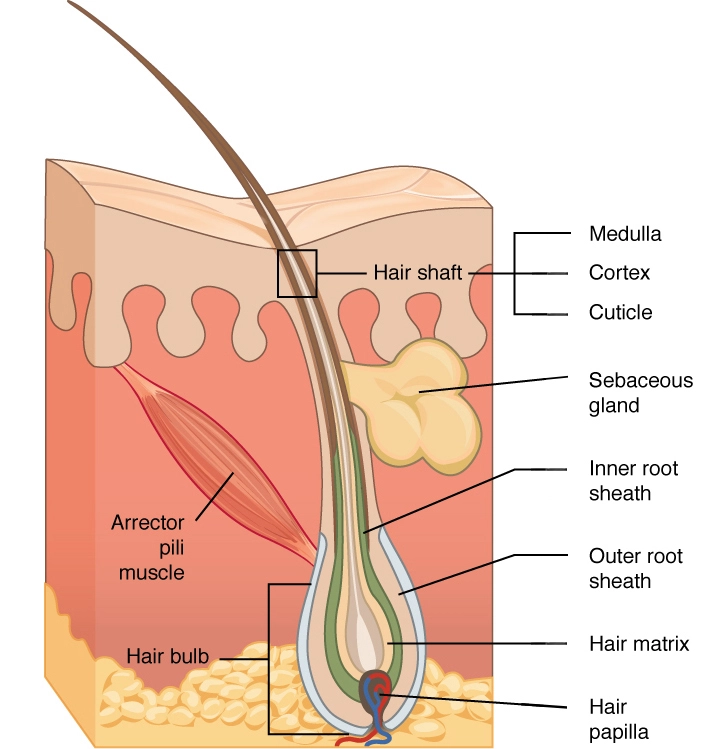
Hair is a vital structure and it contributes significantly to our appearance. It consists of a protein called keratin, and it starts from hair follicles on the head. Every single hair follicle has its own fat gland, helping to keep your hair lubricated and healthy.
Hair comes in several different textures — straight, wavy, curly and kinky. The texture of your hair is determined by the shape of your hair follicles and how tightly they’re coiled. This also influences how well moisture can be retained in your hair.
The average person has about 100,000 hairs on their head, and each one grows at rate of about a half inch per month. But some variables, including age, genetics and hormones or medical conditions, may influence how fast it grows.
Hair does more than provide a canvas for us to express our style; it regulates body temperature by both holding in heat near the scalp during cold-winter months and providing ventilation when we are exercising or living in hot, humid weather.
Now that we have discussed the some of the basics around what actually makes up our locks, let’s move on and show them exactly how they should be looked after!
Different Types of Hair
Types
There is so much variety in hair type and texture. The feel and state of hair can change due to a number of reasons, including genetics, age, hormones, diet and environmental factors.
Straight hair: This is the most common one. It is also smooth and glossy, which makes it easy for light to reflect.
Wavy hair is simply a subtle bend in the hair while curly hair forms into literal ringlets or coils.
Kinky hair is tightly coiled with a zig-zag pattern which means it breaks easily.
Hair thickness is another way to categorize hair. Thin hairs are usually light and fine, with a smaller diameter that has less volume and body than medium or thick strands, but they’re more prone to heat tool-induced damage.
And you’ve a gamut of natural colours from black through blonde to redhead, and patterning according to ethnicity.
Knowing the type of hair you are working with will be able to assist in selecting the right types of products needed including shampoos that are designed for your texture and even specific styling techniques based off of your personal locks’ shape.
How to Take Care of Your Hair
Care
Hair care is important in ensuring that you have beautiful, healthy hair. Here’s some advice on how to make it happen:
- Shampoo: Apply a shampoo that is suitable for your hair type. Don’t use hot water, which can remove oils from the scalp.
- Conditioning: You’ll want to do this at least after washing for healthy and nourished hair. Seal the cuticles by running your hair under cool water.
- Drying: Blot hair dry with a towel, don’t rub vigorously. Don’t use heat tools frequently, it will damage the hair.
- Brushing/combing: Use a wide-tooth comb or soft-bristle brush to prevent yanking and pulling hair out of the root.
- Oil massage: Take some warm oil (olive, coconut or almond) and rub it gently into your scalp once a week for 10 to 15 minutes; not only will this promote hair growth but also prevent flaking.
- Proper diet: Bala nced diet with good amount of proteins, some vitamins (especially V itamin C and E),and minerals is essential for good hair.
Just stick with these easy, regular tasks and you’ll have strong, glossy hair in no time!
Common Hair Problems
Problems
Healthy hair contributes a lot to your appearance but at the same time it requires maintenance too.
Below are some of the frequent hair issues:
- Dry scalp: When the skin on your head gets too dry, it can become flaky and cause itching.
- Split Ends: When the ends of your hair become dry and brittle and split into two or more strands.
- Frizz: What happens when the cuticle layer of your hair loses moisture and becomes dry or rough – flyaways-city.
- Hair Loss: It is one of the main concerns of men and women as it impacts their level of confidence.
- Oily Scalp: Causes oily secretion on your scalp which makes it stinky from the head.
There is a reason for every problem, so it would be good if you know what the causes of your problems are because that will help in order to stay away from similar circumstances next time.
Hair Treatments for Men & Women
Treatments
With the rising popularity of hair treatments among both women and men comes a quest for healthier, prettier looking hair. To combat thinning and for growth there are choices for a remedy.
“It’s a process of injecting your own blood back into the scalp. The blood’s platelets are rich in proteins that promote healing and the growth of new cells, including in hair follicles.
Another is microneedling, which involves making small pricks on the scalp with tiny needles. This procedure works by prompting collagen production and enhancing blood flow to the region which helps in hair regrowth.
Microdermabrasion is device that works on the principle of spraying fine crystals, which remove dead skin cells and unclog pores from the scalp. Doing so, it enables for better absorption of topicals such as minoxidil or finasteride which help treat hair loss.
Hair Transplant may be a good option for those with noticeable hair loss or severe thinning. Healthy hair is removed from donor sites on your head by either Follicle Unit Extraction (FUE) or Follicular Unit Transplantation (FUT), and then it’s placed into a targeted area experiencing balding.
Permanent Laser Hair Removal can help you get rid of your unwanted body hairs permanently using lasers targeted at the melanin inside each person hair follicle, but without damaging the surrounding skin or regrowth over time.
PRP for Hair Loss Treatment
PRP therapy is a type of non-surgical hair loss treatment in which the patient’s own blood is used to encourage natural hair growth. That procedure starts with blood withdrawn from the patient, followed by separation and concentration of platelets in a centrifuge. The PRP solution is finally injected into the scalp.
In the platelets there are multiple growth factors which aid in the healing of cells. If these growth factors are injected in the scalp, they can activate dormant or dying hair follicles and help them to begin growing new hairs.
For hair regrowth, you would usually need to receive PRP treatment in a series of sessions with intervals in between over several weeks. It might not be a great fit for everyone, but many people have noticed major results when it comes to the thickness and density of their hair after treating themselves with PRP.
PRP treatment provides a successful solution where surgery such as hair transplants are not desirable, thereby achieving naturally looking results.
Microneedling for Hair Loss Treatment
Microneedling is a type of hair loss treatment that involves poking your scalp with tiny needles to stimulate hair growth. The treatment works by encouraging the production of collagen and improving blood flow to the area, which transports vital nutrients to hair follicles.
The process usually takes around 30 minutes and has minimal down-time, which is great for anyone with a schedule that’s always on the go. Patients are usually encouraged to have a series of sessions performed over weeks or months for the best results.
Although microneedling can be beneficial and potentially treats some forms of hair loss (like alopecia areata, or thinning resulting from hormonal changes), it doesn’t work for everyone. Outcomes depends on specific factors, which include a person’s age, genetics and the overall health of the individual.
As with any medical procedure, microneedling isn’t without its risks or possible side effects. They range from temporary redness or swelling at the site of treatment to infection if the healing wound is not kept clean.
However, microneedling is a hair restoration option for men and women experiencing hair loss that can be safe and effective without having to take the extreme route of something like surgery or medication.
Microdermabrasion for Hair Loss Treatment
Microdermabrasion is an out-patient treatment that is minimally invasive and involves the removal of dead skin cells. This process involves little beads used to polish off dead skin, creating collagen and hair growth.
The scalp is first “deep” cleaned. Next, tiny particles are gently sprayed onto your scalp to exfoliate and increase blood flow. A soft, exfoliating treatment made of fine filaments that helps make the penetration of topical treatments more effective.
One way that it benefits the skin is by clearing pores, increasing circulation, promoting cellular renewal and boosting collagen production. When used frequently, you will be able to enjoy thicker and fuller hair over time.
Its worth mentioning that microdermabrasion isn’t for everybody, it might not be suitable for you if you have certain medical conditions or an underlying problem, plus some scalps are just too sensitive. As with any form of hair loss treatment, it’s best to consult a dermatologist before beginning the process.
Microdermabrasion is a proven way to encourage hair growth by clearing scalp build up and generating new cell turnover at the follicle level.
Hair Transplant
Hair transplant is a surgical procedure that moves hair follicles from one part of the body (the ‘donor site’) to a bald or balding part of the body (the ‘recipient site’). It is a good option for men, women and children who are suffering from permanent hair loss as a result of genetics, injury or medical conditions such as burns.
There are two main procedures used for hair transplant – Follicular Unit Transplantation (FUT) and Follicular Unit Extraction (FUE). The former technique – FUT (follicular unit transplantation) is where a strip of skin bearing hundreds or even thousands of follicles are removed and then transplanted while the latter, FUE (follicular unit extraction), involves removing individual follicles using a small punch instrument.
Recovery after a hair transplant Recovery time gets impacted upon by the method of hair transplantation but it is likely to be 7-10 days. In some cases, patients experience mild pain and swelling in the first week that diminishes over time.
You should, therefore moderate the surgeon you select and ensure he has performed a good number of surgeries successfully because it can be costly with prolonged effects on your appearance. The majority of patients experience a significant improvement in hair growth by six months to one year after surgery.
Overgrowth of Hair on Body and Causes
Unwanted body hair largely depends on various factors – genetics, hormonal imbalances, side effects of certain medications or even as a symptom of an existing medical problem. It may cause embarrassment and can lower self-esteem in some people.
Hirsutism is a frequent cause of excessive body hair now. It is a condition that primarily effects women, less so men where thick dark hair occurs in regions such as the chin, chest and belly. It’s frequently resulting from overproduction of male hormones known as androgens.
609 Another source of excessive body hair growth is hypertrichosis. It is characterized by excessive hair growth in areas not having terminal lengths of hair. It may be inherited or the result of some medications or medical treatments.
In some rare cases, an abnormally increased hair growth can also be a sign of a certain medical condition like polycystic ovary syndrome (PCOS) or Cushing’s syndrome.
If you are looking forward to controlling that excessive body hair growth of yours, then there are various types of treatments for the same available.
Some of these include shaving, waxing, plucking, threading and laser/ permanent laser treatment to mention a few by trying out what works best for you while in consultation with your doctor.
It’s important to remember that everyone has their own level of comfort with nudity, and it’s not a bad thing if you’re extra in one sense or another!
Permanent Laser Hair Removal
Permanent Laser Hair Removal is an efficient and widely used method of getting rid of unwanted hair from various body parts. It works by using intense beams of light to target and break down hair follicles, which stop new hair from growing.
This service can be performed on almost any part of the body including face, legs, arms, underarms bikini and back. Aside here What to expect during laser hair removal Laser hair removal is virtually painless compared to other methods such as waxing or shaving.
The kind of laser used for this process will only be looking to eliminate dark pigment in your skin that is around your hair follicle. This means that people who have darker skin may need more sessions of the treatment than those with fairer skin, because there is less of a contrast between their skin tone and the pigment in their hair follicles.
Those of us looking at Permanent Laser Hair Removal options to achieve smooth skin for life are better off first consulting a dermatologist who can assist with realistic expectations and an assessment of the number of sessions one will require for permanent hair removal.
Conclusion
Our hair is the first thing about us that people notice and it also acts as a representation of our personality. Like the human hair, it needs to be well maintained for health and beauty. From the many types of hair to ordinary hair issues, we wish there was something in here that you enjoyed reading about the hair!
Hair treatments like PRP, microneedling, microdermabrasion and hair transplants have proven to be effective in treating different types of hair loss.’ But it’s important to see an expert before trying anything.
And same thing for too much body hair as it can also be caused by health issues or just good ol’ genetics. Permanent laser hair removal is the answer and people can now benefit from it in order to make their life easier, happier and know that body hair will head down memory lane.
With proper care for your hair, you get thick luscious locks that make heads turn.Through healthy eating habits, regular washing and conditioning regimen; shunning of heat styling tools and chemical treatments; a little determination can go a long way in giving you the kind of mane you desire!